
The Vagus Nerve. Why Does it Matter?
Your brain and nervous system are so important for digestion and a lot of your digestive issues could actually not be caused by your gut. How we eat is just as important as what we eat.
What Is the Vagus Nerve?
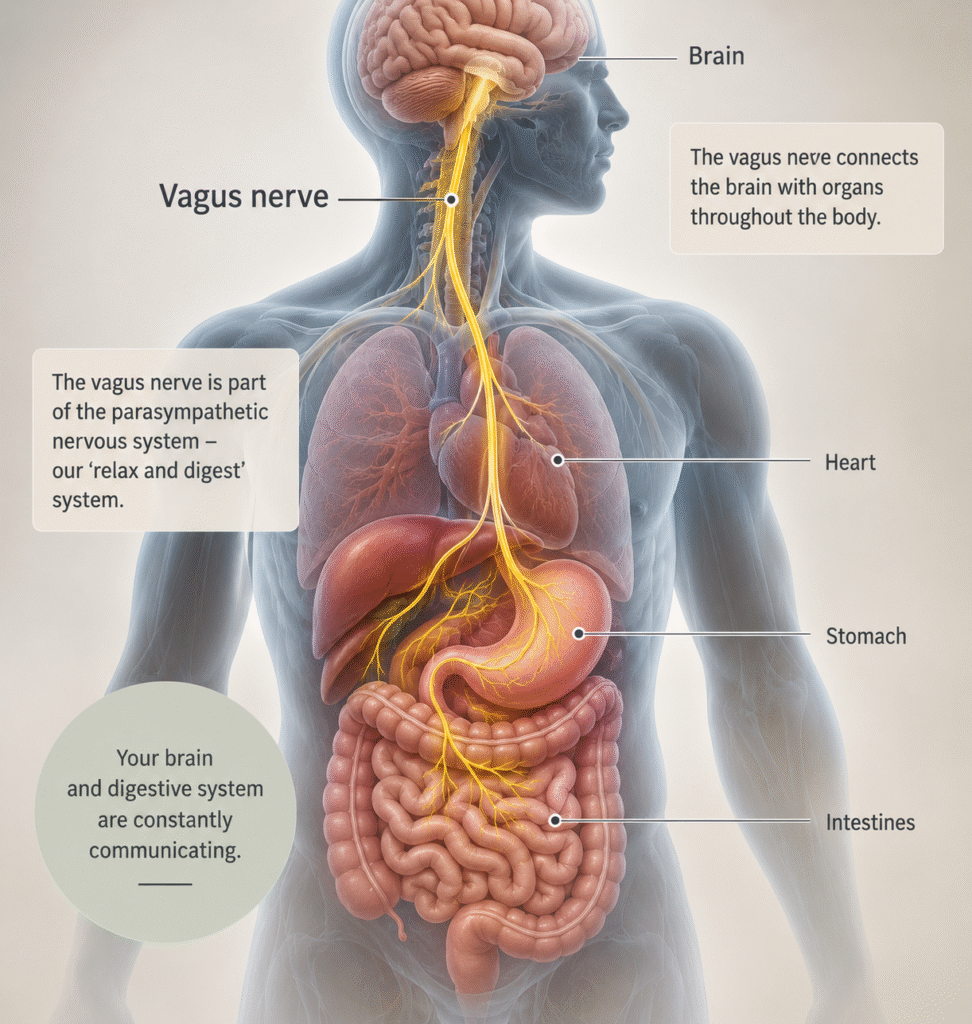
The vagus nerve is a major nerve that connects the brain with organs throughout the body, including the heart, lungs and digestive tract. It’s part of our parasympathetic nervous system = the relax and digest system.
When the Vagus nerve or the parasympathetic nervous system activity is reduced, digestion suffers.
The Gut–Brain Connection
Your brain and digestive system are constantly communicating. The Vagus nerve both gives and receives information between the brain and the gut.
When you see, smell, taste and begin chewing food, your brain receives information that food is coming. This signals the brain to start the rest and digest process, preparing the gut for what it is about to receive.
This contributes to literally every stage of digestion.
What happens when your nervous system is struggling?
You can never truly shut off the nervous system. It’s not as simple as rest and digest is on, so fight or flight is off. Or vice versa. But it’s kind of like a seesaw. When one elevates, the other declines. And, it’s not a quick switch either. It takes time.
But, a declining rest and digest system isn’t going to help when you are dealing with any and all types of gut issues. Your digestive system will always function best when the body has enough opportunity to shift towards a state that supports digestion.
Two Systems opposing each other
The sympathetic system becomes more active when we respond to stress, danger and increased demand
The parasympathetic system becomes more active when the body understands it can focus on resting, recovering and digesting.
Though, what person in this era doesn’t experience stress and increased demand?
We can’t just live stress-free. But we can control how we respond to times when we are eating. Stress doesn’t mean digestion is switched off. It simply means our body is prioritizing digestion less
More than 40% of people are suffering from functional gastrointestinal disorders. So too are metabolic issues that can stem from digestion and stress as well. So, it’s up to us to relearn how to normalize our gut function around meal times.
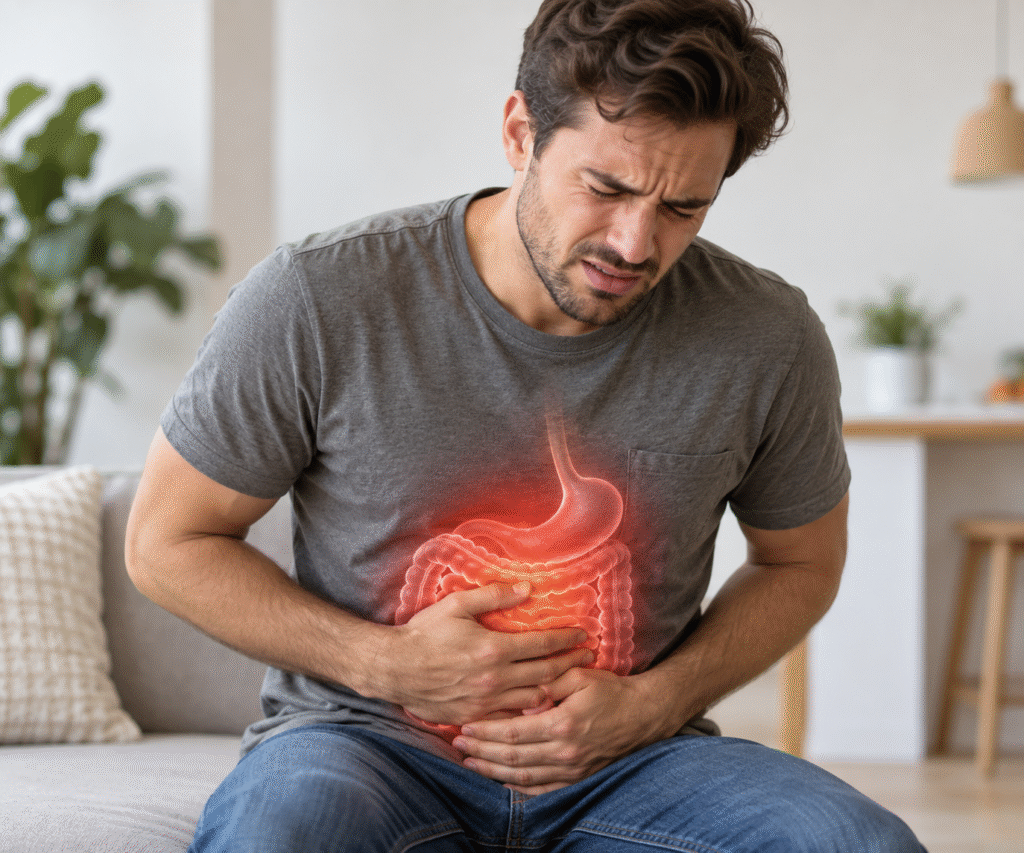
Digestion Starts Before the First Bite
This brings us back to the cephalic phase of digestion I mentioned in a previous blog article.
Something as simple as slowing down before eating gives your nervous system an opportunity to recognise that a meal is coming.
Sit down to eat when possible. Take a moment before beginning your meal. Look at and smell your food. Slow your breathing. Chew thoroughly rather than rushing each mouthful. Try to eat without working or multitasking at the same time.
Digestion issues explained
With ongoing digestive symptoms, the Vagus nerve is unlikely the only piece of the puzzle. However it can be a large part, and it’s something I always look at in clinic with my clients when they are having any issues with:
- IBS, bloating, constipation or diarrhoea
- Reflux, nausea and poor appetite
- Functional dyspepsia and altered stomach emptying
- Recurrent digestive symptoms and food sensitivities
- SIBO/IMO and IBDs
- Blood glucose dysregulation and insulin resistance
- Metabolic and weight-management issues
- Fatigue and low energy
- Thyroid conditions, including hypothyroidism and Hashimoto’s disease
The nervous system can be a fundamental starting point for almost all conditions and it is a core pillar of health that is so often overlooked or disregarded.
As a Naturopath, I can never look at a disease or condition without looking at the whole body.
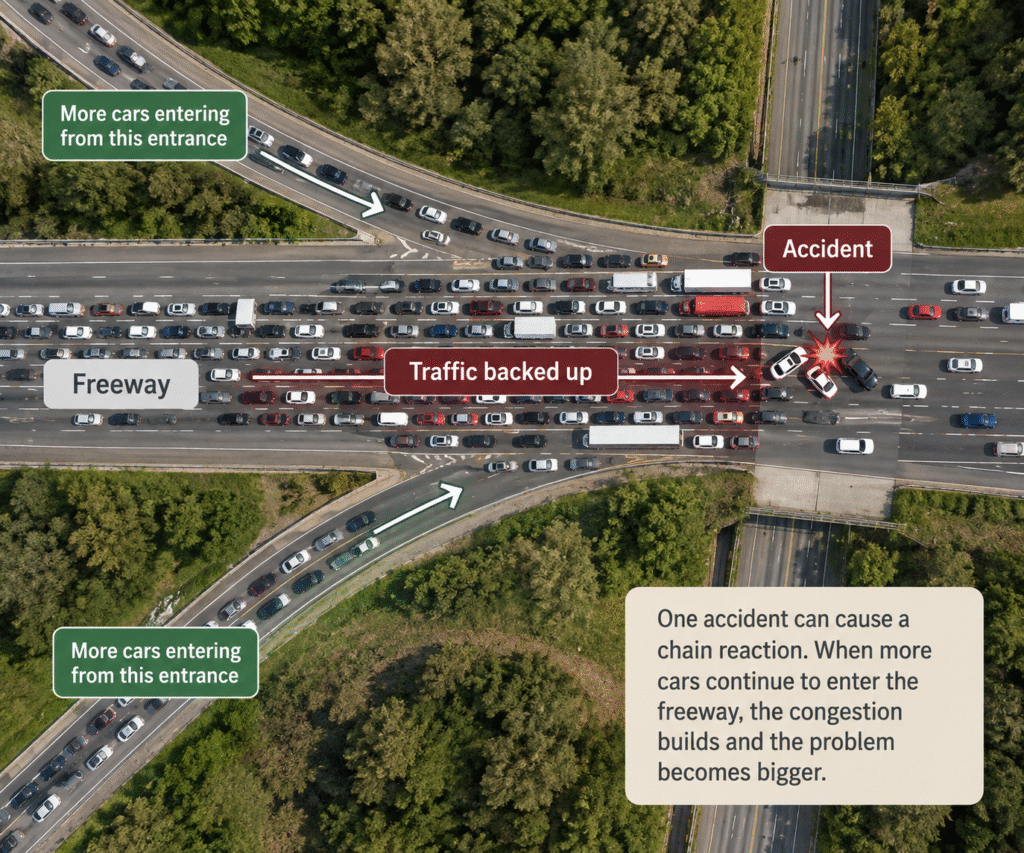
Imagine there’s a car accident on a freeway causing traffic. Police might block one or two entrances to reduce the number of cars entering and keep traffic moving. But if hundreds of cars continue entering from another entrance just before the accident, the congestion continues to build.
Now the original accident isn’t the only thing slowing down traffic. You have multiple problems contributing to the same traffic jam.
The body can work in a similar way. One dysfunction can affect another system, which can then create another problem that feeds back into the original one. This is why focusing on just one symptom, organ or pathway doesn’t always address the bigger picture.
I see so many people buying unnecessary supplements or eliminating more foods trying to directly manage their gut issues. But this can be like trying to clear the traffic without looking at why it keeps building up in the first place. Sometimes, instead of adding another supplement or removing another food, we need to look at what else is contributing to the problem and go back to restoring the digestive fundamentals.
Before trying to optimise digestion, we first need to restore the fundamentals.