
Iron Deficiency in Australia: Why this simple metal matters more than you think
Iron deficiency is becoming an issue for Australians. With many choosing meat alternatives and popular social media diet trends, our gut, liver and nutrition are under strain. Fast-food marketing, processed foods and the pressures of today’s environment make this issue worse. Let’s delve into why iron deficiency is now more a problem than ever!
Popular trends often captivate younger generations leading to poor diet choices, with even healthy alternatives having drawbacks. For example, even something as seemingly healthy as matcha consumption can affect iron absorption and may be a piece of the puzzle of why so many people are low in iron. Although drinking matcha itself isn’t directly causing iron deficiency, the fact that we are already suffering with increased iron deficiency in Australia this can just make the issue worse.
Iron Deficiency in Australia
1 in 3 Australian women and 1 in 10 men have iron deficiency. This silent health issue affects everyday energy levels, brain function, and long-term wellness. This number continues to rise as food choices change and environmental factors pile up.
How Iron Deficiency Impacts Gut Health
Low iron can disrupt your gut bacteria in unexpected ways. When iron levels fall, the “good” bacteria in your gut can struggle to thrive. This can create imbalance.
Your gut houses trillions of microbes and it requires this balance to function properly. Without enough iron, the environment needed for some helpful bacteria may decrease while harmful ones can grow. Research indicates this shift can reduce commensal bacteria and lower butyrate levels in the gut.
What does this mean? – Increased risk of bloating, gas, irregular bowel movements or IBS.
Worse still, this imbalance can weaken the gut lining and reduce your ability to absorb iron among other nutrients. When the gut lining is weakened, more irritants can enter the bloodstream, driving inflammation and more stress on the liver. This can explain why many people with iron deficiency also experience stomach discomfort, food sensitivities, immune system problems, and in some cases, increased pain perception.
Iron Deficiency and Liver Health
Your liver requires iron to function properly. For instance, low iron can impair the liver’s ability to convert thyroid hormones, contributing to fatigue, weight changes and much more.
With low iron, your liver starts to work harder to enhance absorption. This additional workload can stress liver cells which over time can worsen existing liver conditions. Furthermore, liver disease can also increase risk of iron deficiency. This creates a chicken or the egg situation.
The way iron affects both the gut and liver makes replenishing it more challenging. It’s not always as simple as taking an iron supplement and you’re good. Restoring and maintaining adequate iron levels sometimes requires a bit of work on the diet, liver, and gut health.
Reducing Red Meat Intake
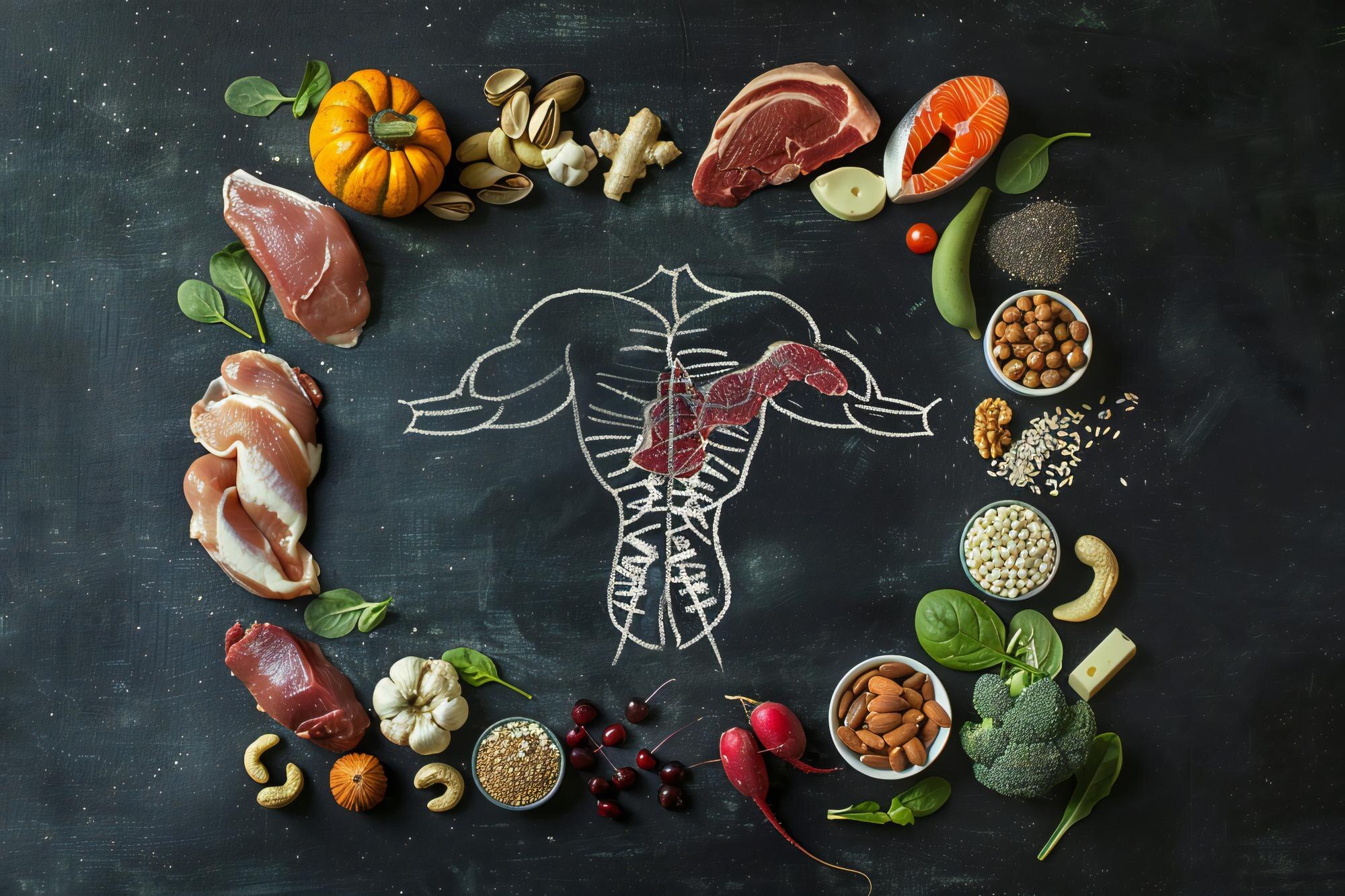
Australians now consume 20% less red meat than a decade ago. While this shift benefits heart health and the planet, red meat remains one of the richest sources of iron. Iron from meat sources remains the iron that is most absorbable for your body.
Plant-based diets can offer iron through foods like lentils, spinach, and fortified cereals. However, plant iron is absorbed at only about 2-10% efficiency compared to 15-35% for meat sources. This means a lot more plant foods must be consumed to achieve the same iron benefit. This is doable but can be challenging.
Children and teenagers face more challenges during this dietary shift. Their growing bodies require more iron per kg than adults, increasing risk when red meat intake decreases. Teenage girls facing monthly menstruation have added pressure.
So why the talk about Matcha?
Drinking matcha doesn’t’ cause iron deficiency. But the popular tea trend can block iron absorption by up to 60-90% when consumed with iron-rich meals. Compounds called polyphenols and tannins bind to the iron reducing absorption. While matcha offers many health perks, timing matters; drink it between meals rather than with iron-rich foods.
Social media has picked up on this matcha-iron connection, with TikTok videos warning about the potential for matcha to worsen iron deficiency. While some claims go too far, the science does support being careful about when you drink your matcha latte, especially if your iron levels already run low. And matcha is hardly a reason for iron deficiency in a whole population.
Navigating New Diet Trends
The key takeaway isn’t to avoid matcha or return to high meat consumption, but rather to make informed choices about timing, food combinations, and supplements when needed. With thoughtful planning, you can enjoy modern food trends while keeping your iron levels in good shape.
With so much noise from social media and marketing, it can be hard to make clear dietary choices. And no one can be perfect. But learning how to improve your diet even a little bit has marked implications for health.