
The Protein Myth: Why More Isn’t Always Better (Especially for Your Gut)
Social media has turned protein into the ultimate health obsession, and with good reason. Many people are not eating enough of it. But is more really better? If you’re following the high protein diet trend, you might be missing the bigger picture about your actual protein needs. Research shows that understanding your true protein requirements is key to optimal health.
The Social Media Protein Hype Is Real
Scroll through any fitness influencer’s feed and you’ll see protein everything: protein pancakes, protein ice cream, protein coffee, protein = better. The social media protein hype has created an environment where more protein automatically equals better health. But here’s the thing: your body has specific protein needs that generally don’t match the online trends.
The truth is, protein is essential for building muscle, supporting immune function, and maintaining healthy tissues. But like most things in nutrition, balance matters more than extremes.
How Much Protein Do You Actually Need?
Let’s get practical about protein needs. Most adults require about 0.8 grams of protein per kilogram of body weight per day.
For someone weighing 70 kg, that’s roughly 56 grams per day.
Active individuals and athletes need more – around 1.2 to 2.0 grams per kilogram, depending on training intensity and goals.
This is a minimal to prevent deficiency, not optimal intake.
Protein needs change when we are dealing with things like:
-
Digestive issues
-
Liver function
-
Stress load
-
Activity level
Here’s what that looks like in real food:
-
100 g cooked chicken breast: ~30 g protein
-
170–200 g Greek yoghurt (standard tub): ~15–20 g protein
-
1 cup cooked lentils (~150 g): ~18 g protein
-
2 large eggs: ~12–13 g protein
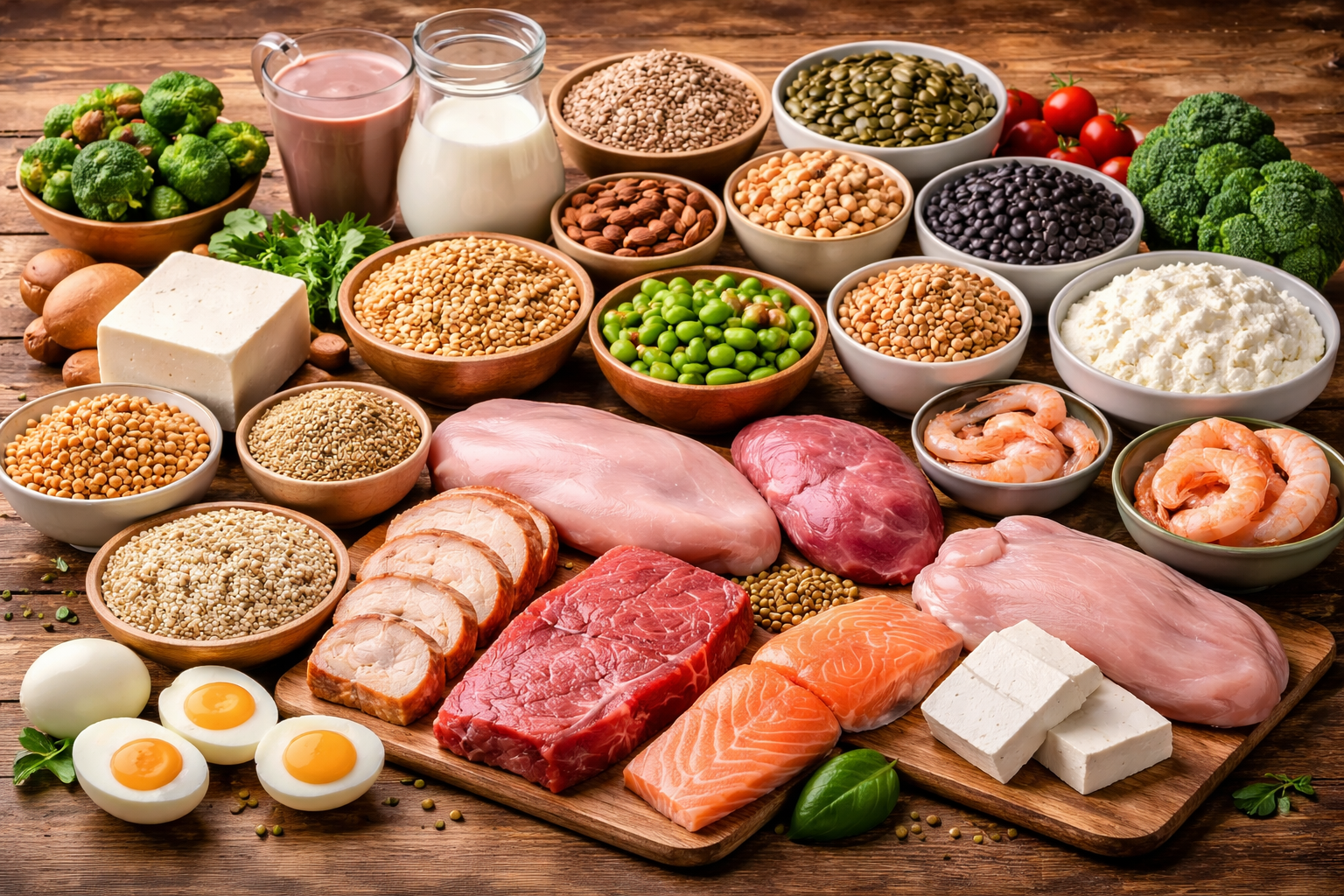
When you focus on these types of high protein foods all the time, you can see how easy it is to meet your protein requirements without going overboard.
Yet many people following high-protein trends are consuming double or even triple these amounts, often under the impression that more is always better.
Protein and Gut Health: The Connection You Need to Know
Your gut is home to trillions of bacteria that keep your digestive system running smoothly. When you consume excessive protein, especially from animal sources, it can shift your gut microbiome in ways that aren’t always positive.
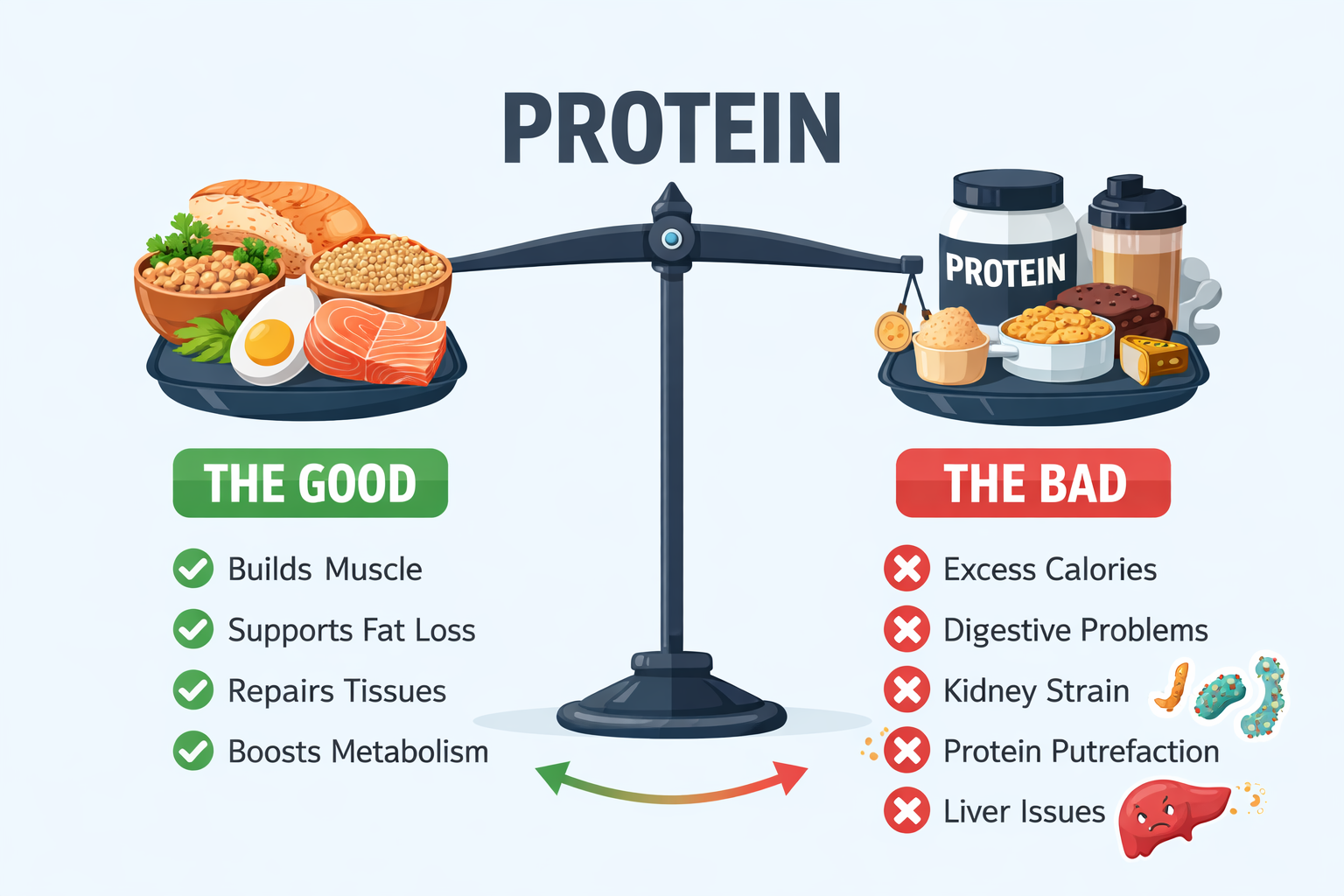
Undigested protein that reaches your colon becomes food for bacteria that produce compounds like ammonia and hydrogen sulfide. These substances can irritate your gut lining and contribute to digestive discomfort and even kidney disease – Yes! Kidney disease can start in the gut.
The relationship between protein and gut health depends on balance. Getting enough protein supports gut repair and immune function. Getting too much can stress your digestive system and alter your microbiome composition. A balanced diet that includes fiber-rich foods alongside adequate protein helps keep your gut bacteria happy and diverse.
What About Your Kidneys?
One of the most common questions about the effects of protein excess relates to kidney health and protein. Your kidneys filter waste products from protein metabolism – nitrogen compounds. When you eat excessive amounts of protein and the excess protein is converted into excessive nitrogen compounds, your kidneys work harder.
For people with healthy kidneys, moderate increases in protein intake are generally safe. But if you already have kidney disease or reduced kidney function, a high protein diet can accelerate damage. The extra workload puts strain on already compromised kidneys.
Even in healthy individuals, long term consumption of very high amounts of protein over long periods may pose risks.
Protein and the Gut
Protein digestion isn’t just about how much acid your stomach can produce to break it down. It’s about how well your entire digestive system can process, move, and clear what you eat.
After a meal, your body shifts into a fed state where digestion is active. But between meals, a process called the migrating motor complex (MMC) takes over. This is your gut’s “housekeeping wave,” helping to move residual food, bacteria, and waste through the small intestine. In most people this starts after 3 hours from your last meal.
When large, dense protein meals are consumed frequently, especially without adequate spacing between meals this process can be disrupted.
From a functional perspective, excessive or poorly timed protein intake can lead to:
-
Delayed gastric emptying and slowed motility
-
Reduced MMC activity (less gut “clean-up” between meals)
-
Increased exposure of protein residues to gut microbes
This creates an environment where protein is more likely to be fermented or putrefied, rather than fully digested and absorbed.
This can contribute to:
-
Production of ammonia, phenols, and hydrogen sulfide
-
Local gut irritation and low-grade inflammation
-
Shifts toward more proteolytic (protein-fermenting) bacteria
-
Symptoms like bloating, reflux, irregular bowel movements, or a heavy feeling after meals
Finding Your Protein Sweet Spot
My aim here isn’t to make you fear protein or drastically cut back, but to focus on these principles:
-
Match protein to your physiology, not a formula
Use body weight and activity as a starting point, but adjust based on digestion, recovery, and overall health. -
Prioritise quality and diversity
Rotate between animal and plant sources to provide a broader amino acid profile alongside micronutrients and cofactors. -
Support the gut alongside protein intake
Adequate fibre, resistant starch, and plant diversity help prevent protein fermentation and support a healthier microbiome balance. -
Respect digestive capacity and motility
Consider meal spacing, portion sizes, and how your body handles protein. Not just how much you can fit into a target. -
Pay attention to feedback from your body
Energy, satiety, bowel patterns, bloating, and mental clarity are all indicators of whether your current intake is working for you.
You don’t need to chase extreme protein targets to be healthy.
What matters more is:
-
Getting enough to support structure, repair, and metabolic function
-
Without exceeding what your digestive system and metabolism can comfortably process
A more functional approach
Rather than focusing on pushing higher protein intakes, it’s often more beneficial to:
-
Space meals to allow the MMC to function effectively
-
Match protein intake to digestive capacity and activity level
-
Support overall gut function (motility, microbiome, enzyme output)
-
Balance protein with fibre and plant diversity
Timing Protein: Work With Your Body, Not Against It
To bring it all together, when you eat protein matters just as much as how much you eat. Front-loading protein earlier in the day, particularly at breakfast, better aligns with your circadian rhythm, supporting blood sugar stability, energy, focus, and muscle protein synthesis when your body is most primed to use it. As the day winds down, digestion and metabolic activity naturally slow, and heavier protein meals can feel more taxing, especially in those with compromised gut function or disrupted motility. Shifting toward lighter, easier-to-digest evening meals with a greater emphasis on plants, fibre, and carbohydrates can support the MMC, improve overnight recovery, and promote more restorative sleep.
Protein isn’t just a number to hit — it’s a rhythm to work with.